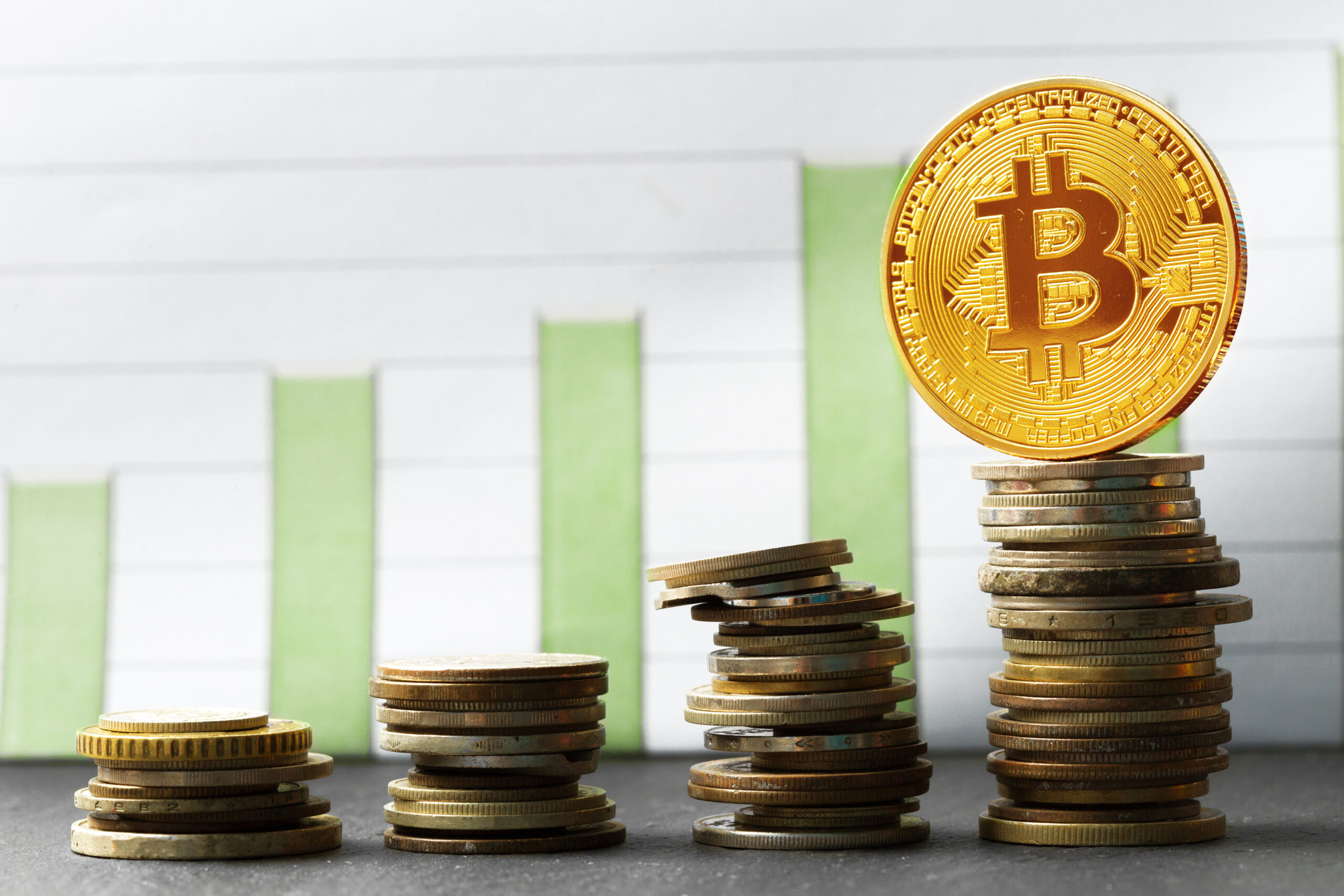
Bitcoin Price Prediction 2026: In-Depth Analysis and Long-Term Forecast
Introduction
The cryptocurrency market continues to evolve rapidly, and among all digital assets, Bitcoin remains the most influential. As we move toward 2026, investors, analysts, and institutions are increasingly focused on where Bitcoin’s price could be headed next.
Bitcoin has already experienced multiple boom-and-bust cycles since its creation in 2009. Each cycle has been shaped by halving events, global liquidity conditions, institutional adoption, regulatory developments, and technological upgrades. Predicting Bitcoin’s exact price in 2026 is impossible, but we can build realistic scenarios based on historical trends, macroeconomic data, and on-chain analytics.
This article provides a detailed, SEO-optimized Bitcoin price prediction for 2026, including bullish, bearish, and neutral scenarios, along with key factors that may influence its valuation.
1. Historical Performance of Bitcoin
To understand where Bitcoin may go in 2026, it is essential to review its past cycles.
2013–2017 Cycle
- Bitcoin rose from under $100 to nearly $20,000
- Driven by retail speculation and early adoption
- First major global attention
2017–2021 Cycle
- Bitcoin surged from ~$1,000 to $69,000
- Institutional investors entered the market
- COVID-19 stimulus increased liquidity
2021–2025 Cycle
- Market became more mature and regulated
- ETFs, institutional custody solutions, and government discussions expanded
- Increased volatility but stronger long-term support levels
Key Insight
Bitcoin historically follows a 4-year cycle, strongly influenced by the halving event that reduces mining rewards and tightens supply.
2. Bitcoin Halving Impact and 2026 Cycle Position
The next Bitcoin halving occurred in 2024, reducing block rewards from 6.25 BTC to 3.125 BTC.
Historically:
- 2012 halving → 2013 bull market
- 2016 halving → 2017 bull market
- 2020 halving → 2021 bull market
What This Means for 2026
By 2026, Bitcoin will likely be in the post-halving expansion phase, where:
- Supply growth is significantly reduced
- Demand from institutions and ETFs increases
- Market sentiment tends to become more bullish
This phase historically represents some of the strongest price expansions.
3. Key Factors Influencing Bitcoin Price in 2026
3.1 Institutional Adoption
Large financial institutions, hedge funds, and pension funds continue to allocate capital into Bitcoin.
- Bitcoin ETFs increase accessibility
- Custody services reduce security concerns
- Corporate balance sheet adoption may expand
If institutional adoption accelerates, Bitcoin demand could significantly outpace supply.
3.2 Global Economic Conditions
Bitcoin is increasingly seen as:
- A hedge against inflation
- A digital store of value
- A non-sovereign asset
Key macro drivers:
- Interest rates (lower rates = higher crypto demand)
- Inflation trends
- Global debt levels
A weak fiat currency environment typically benefits Bitcoin.
3.3 Regulation and Government Policy
Regulation remains one of the biggest price drivers.
Positive scenario:
- Clear crypto laws
- ETF approvals
- Banking integration
Negative scenario:
- Strict bans in major economies
- Tax increases on crypto gains
- Exchange restrictions
By 2026, most developed countries are expected to have clearer regulatory frameworks, which may reduce uncertainty.
3.4 Bitcoin Network Growth
Important on-chain metrics:
- Hash rate (network security)
- Active addresses
- Transaction volume
- Lightning Network adoption
A stronger network typically supports higher valuations.
3.5 Market Sentiment and Cycles
Bitcoin is highly sentiment-driven.
- Fear cycles lead to deep corrections
- Greed cycles lead to exponential growth
By 2026, Bitcoin may be in either:
- Mid bull cycle (high expansion)
- Late cycle peak (euphoria phase)
4. Bitcoin Price Prediction 2026 Scenarios
Since crypto markets are volatile, it is better to consider multiple scenarios instead of a single prediction.
4.1 Bearish Scenario (Low Adoption / Economic Pressure)
In this case:
- Global recession reduces risk appetite
- Strict regulations slow adoption
- Institutional inflows decline
Possible Price Range:
- $40,000 – $80,000
Even in a bearish scenario, Bitcoin may remain significantly higher than earlier cycles due to increased baseline adoption.
4.2 Neutral Scenario (Stable Growth)
Assumptions:
- Gradual institutional adoption
- Stable global economy
- Moderate regulatory clarity
Possible Price Range:
- $80,000 – $150,000
This scenario assumes Bitcoin continues its long-term adoption curve without extreme hype or collapse.
4.3 Bullish Scenario (Strong Institutional & Retail Demand)
This is the most optimistic but plausible scenario based on historical cycles.
Conditions:
- Massive ETF inflows
- Global financial instability increases Bitcoin demand
- Corporate treasury adoption grows
- Limited supply due to post-halving effects
Possible Price Range:
- $150,000 – $300,000+
In extreme bullish conditions, Bitcoin could even enter price discovery far beyond previous all-time highs.
5. Long-Term Supply Dynamics
Bitcoin has a fixed supply of 21 million coins. By 2026:
- Over 19.5 million BTC will already be mined
- Remaining supply becomes increasingly scarce
- Lost coins reduce effective supply further
This scarcity is one of the strongest long-term bullish factors.
6. Institutional Demand vs Retail Demand
Institutional Demand
- ETFs and custodial solutions
- Pension funds and sovereign wealth funds
- Corporate treasury allocations
Retail Demand
- Influenced by social media cycles
- Strong during bull markets
- Weak during bear markets
By 2026, institutional demand is expected to dominate price action more than retail speculation.
7. Bitcoin vs Traditional Assets (2026 Outlook)
Bitcoin is increasingly compared with:
- Gold
- S&P 500
- Real estate
If Bitcoin continues to behave as “digital gold”:
- Market cap could approach $2–5 trillion+
- Price could scale significantly with global adoption
8. Risks That Could Impact Bitcoin Price
Despite bullish potential, several risks remain:
8.1 Regulatory Crackdowns
Harsh regulation could temporarily suppress price growth.
8.2 Quantum Computing Concerns
Future tech risks may require cryptographic upgrades.
8.3 Market Manipulation
Whales and large holders can still influence short-term volatility.
8.4 Economic Collapse or Liquidity Crunch
In extreme cases, all risk assets may fall together.
9. Technical Analysis Outlook for 2026
While long-term prediction is macro-driven, technical patterns suggest:
- Bitcoin follows exponential growth curves
- Each cycle peak is higher than the previous one
- Long-term support trend is strongly upward
If Bitcoin maintains its historical logarithmic growth curve, 2026 could fall in a major expansion zone.
10. On-Chain Indicators to Watch
Investors often monitor:
- MVRV ratio (market value vs realized value)
- Bitcoin supply on exchanges (lower = bullish)
- Long-term holder accumulation
- Miner behavior post-halving
These indicators will play a key role in determining 2026 price direction.
11. Expert Sentiment Overview
While exact forecasts vary widely:
- Conservative analysts expect steady six-figure growth
- Aggressive models project exponential returns
- Skeptics predict long consolidation phases
The consensus generally agrees on one thing:
👉 Bitcoin is likely to be significantly higher in 2026 than in earlier years, though volatility will remain extreme.
12. Final Bitcoin Price Prediction 2026
Combining all scenarios:
| Scenario | Price Range |
|---|---|
| Bearish | $40,000 – $80,000 |
| Neutral | $80,000 – $150,000 |
| Bullish | $150,000 – $300,000+ |
Most realistic outlook:
A moderate-to-bullish scenario ($100,000 – $200,000 range) appears most aligned with historical cycles and current adoption trends.
Conclusion
Bitcoin remains one of the most unpredictable yet high-potential financial assets in the world. As we approach 2026, its value will likely depend on a combination of macroeconomic conditions, institutional adoption, regulatory clarity, and post-halving supply constraints.
While no prediction is guaranteed, historical data strongly suggests that Bitcoin continues to follow a long-term upward trajectory, despite short-term volatility.
Investors should approach Bitcoin with:
- Long-term perspective
- Risk management strategy
- Awareness of market cycles
Hi, this is a comment.
To get started with moderating, editing, and deleting comments, please visit the Comments screen in the dashboard.
Commenter avatars come from Gravatar.